PPF vs Ceramic Coating: Which Protection Does Your Miami Vehicle Need?
One is a physical layer. The other is a chemical one.
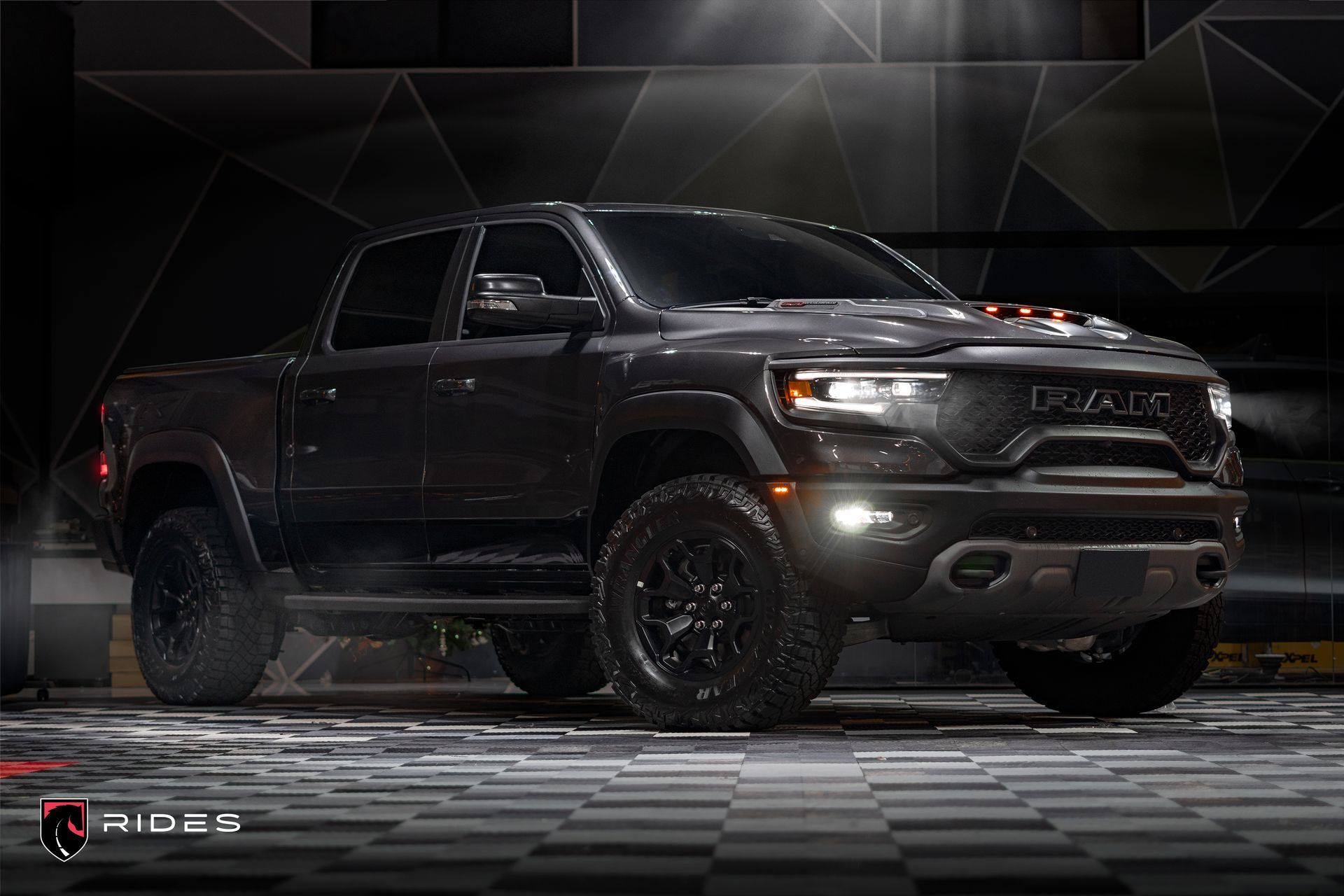
Owners bringing in a new Cullinan, a 911, or a center-console tender often assume paint protection film and ceramic coating are two versions of the same service — pick one, get similar results. They aren't, and treating them as interchangeable is where most protection plans fall short. One is a physical layer. The other is a chemical one. Miami's climate tends to expose the gap between the two fairly quickly.
What paint protection film actually stops
Paint protection film is a urethane layer applied directly to painted panels. Its job is absorbing physical impact — road debris on the causeway, gravel kicked up on I-95, stone chips at highway speed. The film takes the hit so the clear coat underneath doesn't.
The self-healing PPF we install carries an additional property: minor swirl marks and light scuffs in the film soften and disappear with heat, whether from the sun or a heat gun during maintenance. That's a meaningful upgrade over older film generations, but it's worth being precise about what it does and doesn't do. Self-healing film reduces the visibility of light surface marring. It does not make a vehicle immune to damage from a serious impact, and no film on the market eliminates the possibility of a chip or tear from a significant strike. Anyone told otherwise should treat that claim with skepticism.
What ceramic coating actually does
Ceramic coating is a chemically bonded layer, not a physical barrier in the same sense. It doesn't stop a rock chip. What it does well is resist the things that degrade paint slowly over time: UV breakdown, oxidation, water spotting, and the buildup of contaminants that dull a finish. It also creates the hydrophobic, beading surface that makes washing easier and keeps a vehicle looking freshly detailed between services.
For Miami owners, that distinction matters more than in most markets. UV exposure here is intense and constant, and infrared heat soak on a dark-colored hood parked outside for a few hours can accelerate paint fatigue in ways that aren't obvious until the finish starts looking tired. Ceramic coating is built to slow that specific kind of deterioration — it's not designed to absorb a rock strike, and it shouldn't be sold as if it were.
Why installation order isn't optional
When a vehicle gets both services, the sequence matters. Film goes on first, applied to the highest-impact zones — hood, fenders, mirrors, rocker panels, sometimes the full front end depending on the vehicle and how it's driven. Ceramic coating goes on afterward, applied over both the film and the remaining painted surfaces.
The reasoning is straightforward: coating over the film protects the film itself from UV exposure and keeps its surface easier to maintain, while also giving the coated and filmed sections a uniform gloss and consistent hydrophobic behavior. Do it in reverse, or skip the coating step on the film, and you end up with visibly different surfaces — one area beading water, another not, one aging differently than the rest of the panel. For owners who want an even, showroom-consistent finish across the entire vehicle, that combination is the point of packages like our Executive Full Car Package, which pairs film on impact-prone areas with coating across the full exterior.
Where the same logic applies off the road
The impact-versus-longevity distinction doesn't stop at car paint. It shows up in marine gelcoat exposed to salt air and constant UV, and in aviation components that need protection without interfering with inspection surfaces or material specifications. As the XPEL® Dealer of the Year, and with a team that includes aviation specialists and marine-focused technicians, we apply the same core principle across environments: identify what's actually causing degradation — impact, UV, chemical exposure, or heat — before deciding which layer of protection addresses it. A yacht hull doesn't need PPF the way a hood does, but it absolutely needs a coating strategy built around salt exposure and UV, not a generic detail package.
A reasonable way to decide
If the primary concern is a vehicle that sees highway miles, valet parking, or unpredictable road debris, film on the high-impact panels is the more relevant investment. If the primary concern is UV fading, water spotting, or keeping a finish looking maintained between washes, ceramic coating addresses that directly. Most owners of vehicles they intend to keep long-term end up wanting both, applied in the right order, rather than treating it as an either-or decision.
Common questions
Can ceramic coating go over paint protection film? Yes — applying coating over film is standard practice and is part of how we finish combined installations, since it protects the film's surface and keeps gloss consistent across coated and filmed panels.
If the PPF is self-healing, do I still need a ceramic topcoat for UV protection? Self-healing film addresses surface marring from minor scuffs, not UV degradation on its own in the same way a ceramic layer does. The two address different forms of wear, which is why they're typically paired rather than substituted for each other.
Does the same film-then-coating order apply to a boat or aircraft surface? The underlying logic — protect against impact where relevant, then address UV and chemical exposure — carries over, but the materials and application environment differ significantly from automotive work, which is why marine and aviation projects are handled by team members with specific experience in those settings.
Next step
If you're weighing film against coating for a specific vehicle — or trying to figure out where a boat or aircraft component fits into that same logic — bring the details to our Miami location or ask about a mobile evaluation. We'll walk through the vehicle's actual exposure (impact risk, sun exposure, how it's stored) before recommending a combination, rather than defaulting to one product for every situation.
Recent Blog Post